
- posted: Jul. 30, 2025
Psoriasis is a chronic autoimmune condition that affects the skin, causing inflammation, scaling, and discomfort. At Jacksonville Dermatology Associates in Jacksonville, FL, Dr. Tricia R. Andrews-Jenkins, Dr. Rebekah Wilson, and Dr. Chelsy Marty diagnose and manage this complex condition with care and clinical precision. Understanding how psoriasis develops and presents is a crucial step in seeking timely dermatologic evaluation.
What Is Psoriasis?
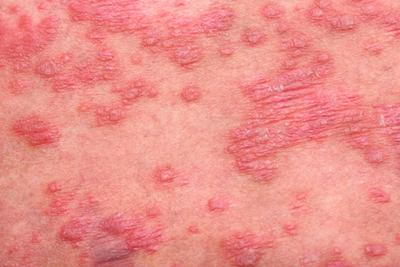
Psoriasis is an immune-mediated disorder that causes the skin cells to multiply much faster than normal. Instead of shedding at a regular pace, these cells build up on the surface, resulting in thick, scaly plaques. This overproduction leads to visible symptoms such as red, raised areas covered with silvery scales. Psoriasis can occur anywhere on the body and is often associated with inflammation and chronic redness, varying in severity from small patches to widespread involvement.
Common Causes and Triggers
The exact cause of psoriasis is not fully known, but it is known to involve immune system dysfunction. In people with psoriasis, the immune system mistakenly attacks healthy skin cells, resulting in inflammation and excessive production of skin cells. Heredity also plays a role, and people with a family history of psoriasis are more susceptible to developing the disease.
Stress, skin injury (known as the Koebner phenomenon), infections such as strep throat, and certain medications, including beta-blockers or lithium, are other known triggers. Triggers are individual, so it is important to manage and control individual risk factors under the supervision of a skilled dermatologist.
Recognizing Psoriasis Symptoms
There are several forms of psoriasis, and each has a different array of symptoms. The most common is plaque psoriasis, which causes red, elevated patches covered by a silvery scale. Others include guttate psoriasis, characterized by small spots on the trunk and extremities; inverse psoriasis, which occurs in skin folds; pustular psoriasis, where white pustules may appear on red skin; and erythrodermic psoriasis, a rare but severe type marked by extensive redness and skin peeling.
Patients can also experience itching, burning, or pain, particularly during flare-ups. Psoriasis can also impact the nails, causing them to thicken, pit, or change color. Scalp psoriasis is also common, and it is often confused with dandruff due to the flaking and crust that can occur along the hairline.
When to See a Dermatologist
Anyone who experiences persistent skin changes such as scaling, redness, or rashes that do not improve should consult a dermatologist. Early evaluation can lead to a proper diagnosis and avoid progression. At Jacksonville Dermatology Associates, patients in and around Jacksonville receive comprehensive evaluations and personalized guidance for effective symptom management.
Get the Answers You Need About Psoriasis
Dr. Tricia R. Andrews-Jenkins, Dr. Rebekah Wilson, and Dr. Chelsy Marty at Jacksonville Dermatology Associates in Jacksonville, FL, are experienced in identifying and managing psoriasis across all forms. Their team is dedicated to providing expert care and a deeper understanding of chronic skin conditions to patients throughout Jacksonville. For more information or to schedule an evaluation, call (904) 279-8202.
- posted: Jul. 30, 2025
Psoriasis is a chronic autoimmune condition that affects the skin, causing inflammation, scaling, and discomfort. At Jacksonville Dermatology Associates in Jacksonville, FL, Dr. Tricia R. Andrews-Jenkins, Dr. Rebekah Wilson, and Dr. Chelsy Marty diagnose and manage this complex condition with care and clinical precision. Understanding how psoriasis develops and presents is a crucial step in seeking timely dermatologic evaluation.
What Is Psoriasis?
Psoriasis is an immune-mediated disorder that causes the skin cells to multiply much faster than normal. Instead of shedding at a regular pace, these cells build up on the surface, resulting in thick, scaly plaques. This overproduction leads to visible symptoms such as red, raised areas covered with silvery scales. Psoriasis can occur anywhere on the body and is often associated with inflammation and chronic redness, varying in severity from small patches to widespread involvement.
Common Causes and Triggers
The exact cause of psoriasis is not fully known, but it is known to involve immune system dysfunction. In people with psoriasis, the immune system mistakenly attacks healthy skin cells, resulting in inflammation and excessive production of skin cells. Heredity also plays a role, and people with a family history of psoriasis are more susceptible to developing the disease.
Stress, skin injury (known as the Koebner phenomenon), infections such as strep throat, and certain medications, including beta-blockers or lithium, are other known triggers. Triggers are individual, so it is important to manage and control individual risk factors under the supervision of a skilled dermatologist.
Recognizing Psoriasis Symptoms
There are several forms of psoriasis, and each has a different array of symptoms. The most common is plaque psoriasis, which causes red, elevated patches covered by a silvery scale. Others include guttate psoriasis, characterized by small spots on the trunk and extremities; inverse psoriasis, which occurs in skin folds; pustular psoriasis, where white pustules may appear on red skin; and erythrodermic psoriasis, a rare but severe type marked by extensive redness and skin peeling.
Patients can also experience itching, burning, or pain, particularly during flare-ups. Psoriasis can also impact the nails, causing them to thicken, pit, or change color. Scalp psoriasis is also common, and it is often confused with dandruff due to the flaking and crust that can occur along the hairline.
When to See a Dermatologist
Anyone who experiences persistent skin changes such as scaling, redness, or rashes that do not improve should consult a dermatologist. Early evaluation can lead to a proper diagnosis and avoid progression. At Jacksonville Dermatology Associates, patients in and around Jacksonville receive comprehensive evaluations and personalized guidance for effective symptom management.
Get the Answers You Need About Psoriasis
Dr. Tricia R. Andrews-Jenkins, Dr. Rebekah Wilson, and Dr. Chelsy Marty at Jacksonville Dermatology Associates in Jacksonville, FL, are experienced in identifying and managing psoriasis across all forms. Their team is dedicated to providing expert care and a deeper understanding of chronic skin conditions to patients throughout Jacksonville. For more information or to schedule an evaluation, call (904) 279-8202.
